
From Farm to Factory: Kountry Kraft’s Journey and Lessons for Cabinet Makers
By Dee Funk / September 17, 2025
In the world of custom cabinetry, stories of grit, ingenuity, and craftsmanship resonate deeply with cabinet makers who understand the challenges of turning raw wood into finished art. Among these stories, few are as inspiring as that of Kountry Kraft, a company founded by Elvin Hurst, Sr. in 1959. What began with a Sears & Roebuck table saw in a farmhouse garage has grown into a 96,000-square-foot facility in Pennsylvania Dutch Country—employing over 100 skilled craftsmen and shipping kitchens from Maine to Florida.
Recently, Hurst shared his journey on the Around the House with Eric G. podcast, covering topics that go beyond personal history and into valuable lessons for cabinet makers today: family succession, evolving finishes, technological shifts, quality control, and the enduring role of craftsmanship.
This blog distills those insights and reframes them as lessons cabinet makers can learn from, whether you’re running a one-person shop or managing a growing custom operation.
Humble Beginnings: Why Small Shops Can Become Industry Leaders
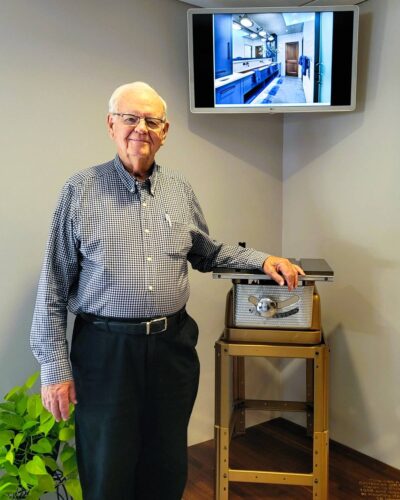
Many cabinet makers start in garages, barns, or basements with little more than a table saw and determination. For Elvin Hurst, it was a gift from his wife Helen in 1958—a modest table saw that set the stage for Kountry Kraft. When his employer told him he couldn’t build cabinets at home due to “conflict of interest,” Hurst chose entrepreneurship over job security.
That bold move resonates with every cabinet maker who has ever wondered: Should I take the leap? Kountry Kraft proves that small beginnings don’t limit future growth. Instead, they can fuel innovation and resilience.
The Role of Family in Cabinet Making Businesses

Family businesses are common in woodworking, but not all thrive across generations. Hurst credits his wife Helen for handling design and office work while he ran the shop and installs. Their children joined as the company grew—today, Dolores Hurst Funk serves as CFO while Elvin Hurst Jr. leads as president.
For cabinet makers, this illustrates two things:
- Shared vision matters – Spouses and children need clearly defined roles that complement, not duplicate, efforts.
- Succession planning is essential – Preparing the next generation ensures continuity, stability, and adaptation to new technology.
Embracing Technology Without Losing Craftsmanship
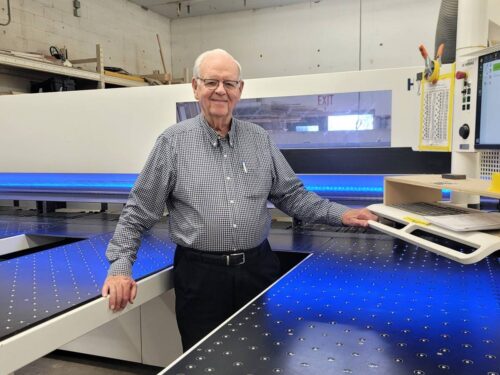
One of the biggest themes from the interview was the shift from hand-drafted plans and table saws to CNC routers, precision saws, and CAD design software.
Yet, Hurst emphasized that technology only enhances the craft—it doesn’t replace it. Cabinet makers today face a similar challenge: how to integrate technology while preserving artistry. Kountry Kraft’s approach is clear: use technology to reduce error and improve efficiency, but rely on craftsmen for final quality and detail.
For designers and builders, organizations like the NKBA (National Kitchen & Bath Association) continue to highlight the value of certified professionals who blend tech with craft.
Finishes: From Hand-Rubbed Stains to Polyurethane Durability
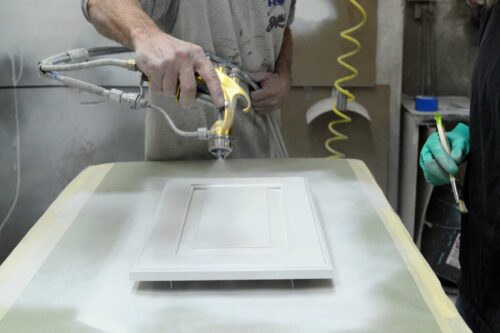
Finishes tell the story of changing consumer demand. In the early days, most cabinets were stained with oil-based, hand-rubbed finishes. Today, 60–70% of Kountry Kraft’s cabinets are painted.
Still, the company maintains tradition by offering hand-wiped stains that bring out the grain—a reminder to cabinet makers that not every new process replaces old methods. Instead, versatility wins.
Kountry Kraft also adopted polyurethane finishes from Sherwin-Williams, offering clarity without plastic sheen, coupled with long-term durability. For cabinet makers, this underscores the importance of staying current with finishing systems, not just for aesthetics but for compliance with VOC regulations and consumer expectations.
Quality Control as a Competitive Edge
Perhaps the most striking practice at Kountry Kraft is its full pre-shipment staging process. One week before delivery, the entire kitchen is assembled in the warehouse—every door, drawer, and finish inspected.
This is more than quality assurance; it’s brand insurance. Cabinet makers can take note: implementing systematic pre-delivery checks prevents costly mistakes, enhances customer trust, and distinguishes your shop from competitors.
Expanding Beyond Kitchens: Whole-Home Cabinetry
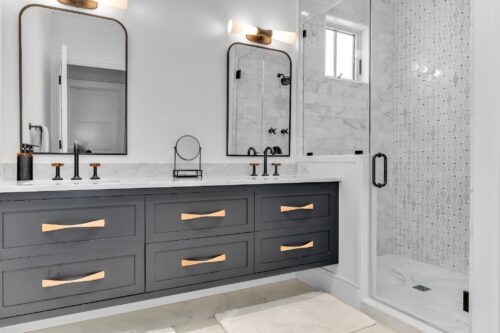
Another lesson for cabinet makers is market diversification. Kountry Kraft moved beyond kitchens into closets, entertainment centers, offices, laundry rooms, bathrooms, and even garages.
This strategy not only secures more revenue per client but also positions cabinetry as a lifestyle investment. Cabinet makers considering expansion should look at the success of whole-home solutions as proof that the market rewards flexibility.
Trends Cabinet Makers Should Watch
From the podcast, several current trends stand out:
- Frameless cabinetry growth: Once rare in American shops, it now accounts for ~50% of Kountry Kraft’s output. Cabinet makers should consider offering both face frame and frameless options to meet regional preferences.
- Wood species demand: Quartersawn white oak and walnut are trending, reversing decades where maple and alder dominated.
- Color diversity: Instead of “white is white,” today’s consumers demand dozens of shades. Cabinet makers must master color matching and finishing flexibility.
- Fashion over function: Kitchens are now the center of the home—public spaces as much as functional ones. This shifts design priorities from utility to lifestyle.
The Cabinet Maker’s Golden Rule
Hurst summed up Kountry Kraft’s philosophy with one phrase:
“Treat people the way you want to be treated. Do it right. Do it right the first time.”
For cabinet makers, this timeless advice applies to clients, employees, and suppliers alike. In an industry where word-of-mouth and reputation can make or break a shop, the golden rule remains the best business plan.
FAQs About Kountry Kraft and Cabinet Makers
How do I train employees effectively in a cabinet shop?
Kountry Kraft’s apprenticeship model is a gold standard for cabinet shop management. Pair new hires with experienced craftsmen for hands-on learning in precision cabinet joinery and cabinet finishing techniques. Develop a structured training program covering safety, tool use, and advanced skills like veneer application or CNC operation. Encourage continuous learning through workshops or online courses on advanced cabinet making techniques. Foster a collaborative culture with regular team meetings to share tips and troubleshoot. Offer incentives like profit-sharing, as Kountry Kraft does, to retain talent. For apprenticeship programs for cabinet makers, check local trade schools or organizations like the Woodworkers Guild of America.
How can cabinet makers incorporate sustainability into their work?
Kountry Kraft’s KCMA certification underscores the growing demand for sustainable cabinetry solutions. Use FSC-certified or reclaimed woods to reduce environmental impact. Opt for low-VOC or water-based finishes to minimize harmful emissions, as these are safer for both workers and clients. Implement waste reduction by repurposing offcuts for smaller projects or donating to community workshops. Invest in energy-efficient cabinet shop automation tools like dust collection systems to improve air quality and reduce energy use. Market your eco-friendly practices to attract clients searching for green cabinetry solutions, positioning your shop as a leader in sustainable craftsmanship.
What are the main differences between face frame and frameless cabinets?
Face frame cabinets use a solid wood frame attached to the front of the box. They’re traditional, sturdy, and allow for inset doors. Frameless cabinets (European-style) skip the frame, offering more usable space inside drawers and a cleaner modern aesthetic. Cabinet makers must decide based on regional demand, but offering both expands your market.
How do finishes affect the longevity of cabinetry?
Finishes protect wood from moisture, stains, and wear. Traditional oil-based stains offer warmth but limited durability. Modern polyurethane systems, like those Kountry Kraft adopted, combine clarity with resistance to scratches and UV fading. For cabinet makers, the finish is as critical as the joinery—it determines lifespan and customer satisfaction.
What is the advantage of hand-rubbed stains compared to sprayed stains?
Hand-rubbed stains penetrate the grain more evenly and highlight natural beauty, creating a furniture-grade look. Sprayed stains can appear uniform but risk a flat, artificial finish. Cabinet makers offering hand-rubbed stains can position themselves as premium, artisanal suppliers.
How do CNC machines change cabinet construction?
CNC routers cut parts with precision to fractions of a millimeter. This reduces human error, ensures perfect joints, and speeds production. However, they require upfront investment, training, and software. Cabinet makers must balance efficiency gains with the artistry of traditional craftsmanship.
What quality control processes should cabinet makers adopt?
Beyond visual inspection, cabinet makers should:
- Test-fit doors and drawers.
- Check finish consistency under natural and artificial light.
- Verify dimensions against shop drawings.
How can small cabinet shops compete with larger manufacturers?
By emphasizing customization, local service, and craftsmanship. Large factories often standardize; small shops can tailor details, offer faster turnaround, and build personal relationships. Cabinet makers should lean into flexibility and local reputation.
Why are dovetail drawers still popular if modern slides handle weight?
Consumers associate dovetails with quality and tradition. Even if undermount slides carry the load, the dovetail joint signals craftsmanship. Cabinet makers should view dovetails as a marketing tool as much as a structural feature.
What woods are trending for cabinetry in 2025?
Quartersawn white oak for its linear grain and stability, and walnut for rich tone and luxury appeal. Painted finishes remain dominant, but stains are making a comeback. Cabinet makers who adapt to changing wood demand stay competitive.
How important is succession planning in cabinet making businesses?
Critical. Many shops falter when founders retire without a clear successor. Kountry Kraft thrived because family members stepped into defined roles. Cabinet makers should create succession plans that include training, equity transfer, and customer continuity.
Conclusion: Inspiration for Today’s Cabinet Makers
Kountry Kraft’s story is more than history—it’s a roadmap for cabinet makers navigating today’s market. From humble beginnings on a farm to becoming a respected national brand, the company shows how resilience, family support, technological adaptation, and uncompromising quality can transform a small shop into an industry leader.
Whether you’re hand-rubbing stains in a garage workshop or managing CNC routers in a large facility, the lessons remain the same: honor the craft, adapt with the times, and treat people right.
Cabinet makers who follow those principles may find themselves, like Kountry Kraft, building not just cabinets—but legacies.
Contact Kountry Kraft
Looking for cabinet makers who combine craftsmanship, innovation, and personal service? Kountry Kraft has been designing and building custom cabinetry since 1959, helping homeowners and designers bring their visions to life.
Whether you’re interested in custom cabinetry for your kitchen, bath, or an entire home, or exploring career opportunities with our team of skilled cabinet makers, we’re here to help. Fill out our contact form on our website or give a call 610-589-4575.
Visit our History page to learn more about our history and mission—or explore our photo gallery to see the craftsmanship of our cabinet makers in action.